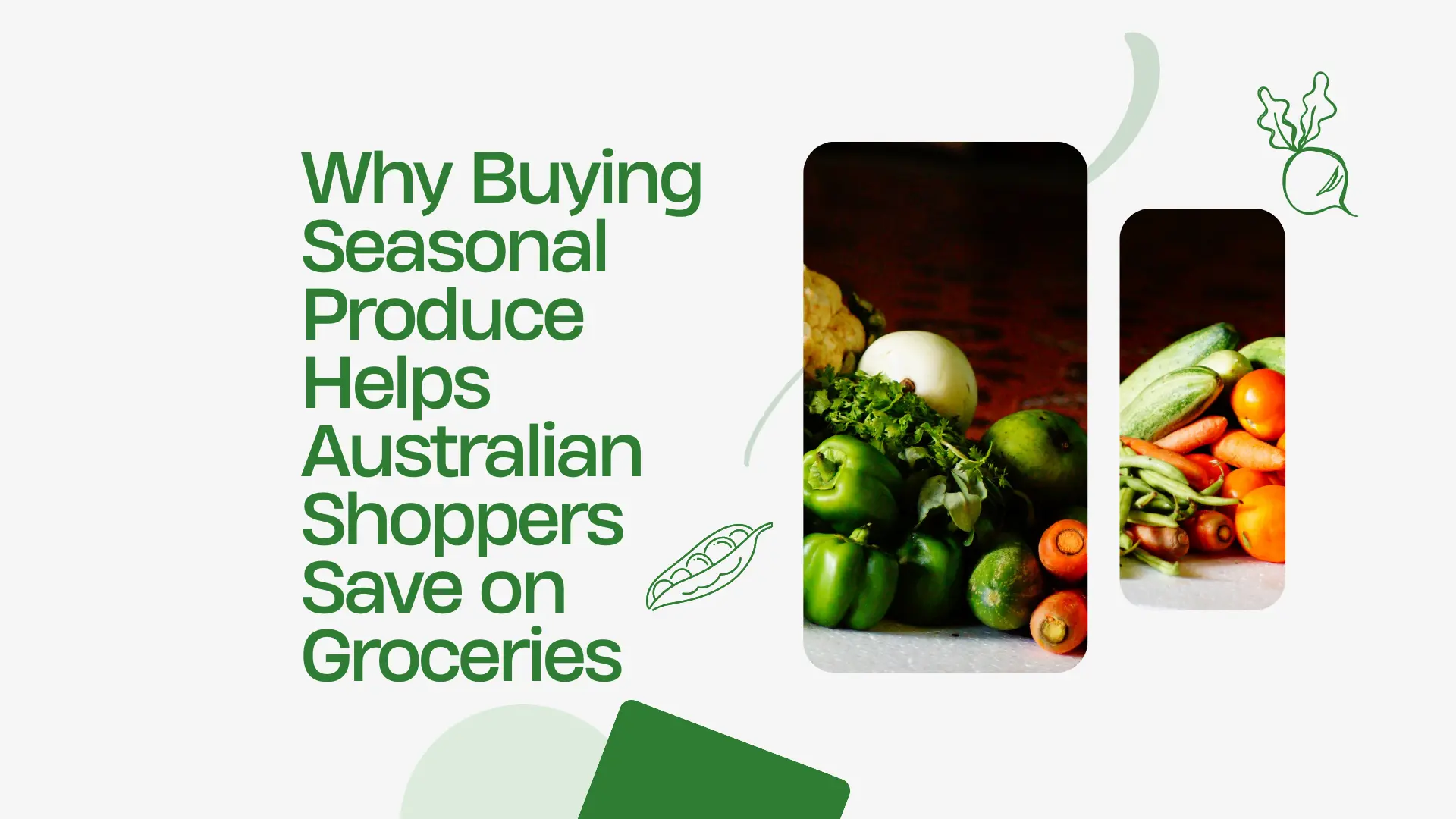
Why Buying Seasonal Produce Helps Australian Shoppers Save on Groceries
- by Save On Groceries
- Feb 10, 2026
Grocery prices in Australia continue to rise, encouraging households to find smarter ways to stretch their food budgets. One of the simplest and most effective strategies is buying seasonal produce. Fruits and vegetables that are in season are often cheaper, fresher, and more readily available.
Despite these benefits, many shoppers overlook seasonality when grocery shopping. This blog explains why choosing seasonal produce helps Australians save money on groceries and how to shop seasonally with confidence.
What Is Seasonal Produce?
Seasonal produce refers to fruits and vegetables that are naturally grown and harvested during a specific time of year in Australia. These products are more abundant when in season, making them easier to source locally.
Examples include:
- Berries in summer
- Citrus fruits in winter
- Leafy greens in cooler months
- Stone fruits in warmer seasons
Understanding seasonality helps shoppers make better purchasing decisions.
How Seasonal Produce Reduces Grocery Costs
1. Lower Prices:
When produce is in season, supply is higher, which usually results in lower prices for consumers.
2. Reduced Transport Costs:
Seasonal produce is often grown locally, reducing transport and storage expenses.
3. Fewer Imports:
Imported produce typically costs more due to shipping and handling.
These factors combine to create noticeable savings at the checkout.
Better Quality and Freshness
Seasonal fruits and vegetables are harvested at peak ripeness, resulting in better taste and quality.
Freshness benefits include:
- Longer shelf life
- Better flavour and texture
- Higher nutritional value
Better quality also means less food waste at home.
Supporting Smarter Meal Planning
Buying seasonal produce encourages more flexible and creative meal planning.
Benefits include:
- Planning meals around affordable ingredients
- Trying new recipes throughout the year
- Avoiding repetitive grocery purchases
Seasonal shopping keeps meals interesting and cost-effective.
Reducing Food Waste at Home
Seasonal produce lasts longer because it is fresher when purchased.
Ways it reduces waste:
- Slower spoilage
- Better storage outcomes
- Easier meal preparation
Less waste leads directly to lower grocery spending.
Environmental and Local Benefits
Seasonal shopping also supports Australian farmers and reduces environmental impact.
Additional benefits:
- Lower carbon footprint
- Support for local agriculture
- Reduced reliance on imported goods
These benefits align with sustainable shopping habits.
How to Start Buying Seasonal Produce
Shopping seasonally does not require major changes.
Simple tips include:
- Check seasonal produce guides
- Compare prices at different supermarkets
- Plan meals around discounted produce
- Be open to substituting ingredients
Small changes can lead to long-term savings.
Frequently Asked Questions:
Is seasonal produce always cheaper?
Most of the time, seasonal produce costs less due to higher availability.
Does seasonal produce last longer?
Yes, fresher produce generally has a longer shelf life.
Can seasonal shopping improve meal variety?
Yes, it encourages trying different fruits and vegetables throughout the year.
Conclusion:
Buying seasonal produce is a practical and sustainable way for Australian shoppers to save on groceries. Lower prices, better freshness, and reduced food waste make seasonal shopping an effective budgeting strategy.
By understanding what is in season and planning meals accordingly, households can enjoy healthier meals while keeping grocery costs under control.